

There are places in the world that always seem to draw us into their spaces. They offer collections of things that feel personal yet public, private yet communal. They depend on the physical act of browsing, lingering, and discovering – tactile participation in culture. Commercially, they are businesses, there to turn a profit. But the unifying hum beneath them isn’t about what’s sold, but what’s shared.
One such place is Shakespeare and Company in Paris. Named such and opened by George Whitman in 1951, it still wears its history in wood and dust: uneven steps, crooked shelves, notes tucked into books. You’re invited to browse without pressure, to get lost in the shuffle of narrow aisles that can barely hold two readers at once. It’s a space designed not for efficiency, but for encounter.
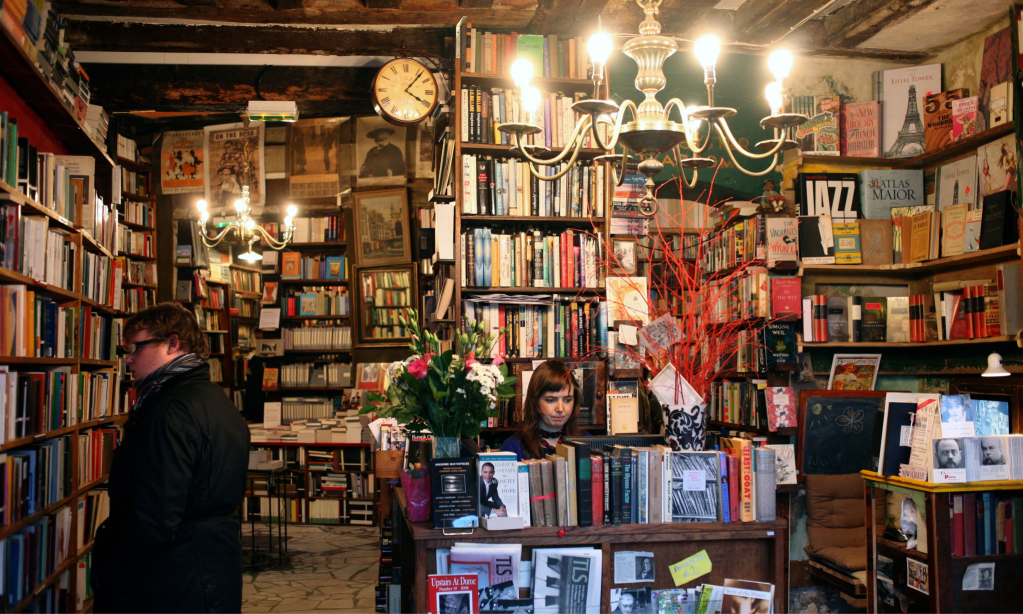
Whitman’s guiding idea, learned while wandering North and Central America in the 1930s, was simple: “Give what you can, take what you need.” Krista Halverson writes that the hospitality he received from strangers – beds, meals, kindness – inspired him to offer the same to writers and travelers who found their way to his shop.1 It became a sanctuary, a social grammar built on generosity. “Be not inhospitable to strangers lest they be angels in disguise,” the sign still reads above the door.2
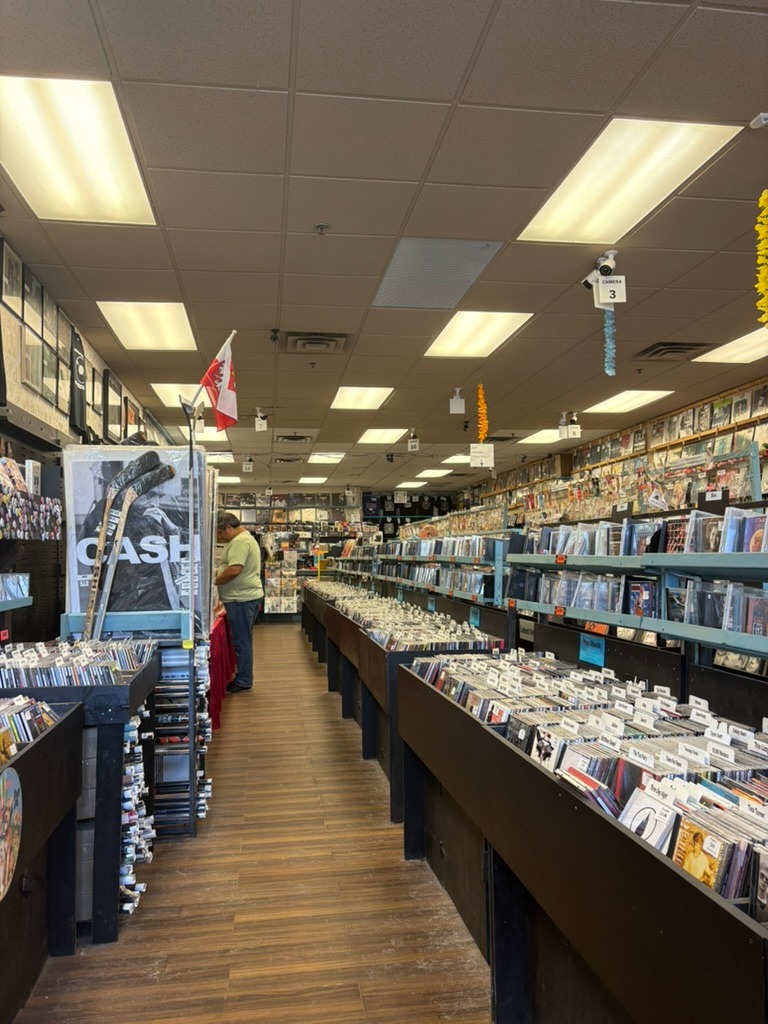
That grammar – generosity made physical – is what connects Whitman’s bookstore to other places that hum with the same frequency. PCV Records in Oakville, for instance, offers that same invitation. We wrote in our “First Listen” feature on Thundermug’s Strikes! that discovery itself is the point. Flip through the crates, talk to the owner, overhear a stranger’s recommendation – it’s all part of the experience. The shop becomes a living collection, reshaped daily by its community as evidenced by PCV’s tremendous and constant rotation of ‘Latest Vintage’ bins (yes, they buy vinyl collections too).

Comic book stores like Silver Snail in Toronto (at it’s old location where we’ll always remember it being) hum with a similar electricity: worlds within worlds, shared lore and laughter traded over counter displays. And coffee shops – the ones with good chairs and forgiving light like Figaro’s Coffee House in Oakville – offer time as their chief commodity. These are curated spaces, but not curated in the algorithmic sense. Their curation is human; made of taste, generosity, and attention.
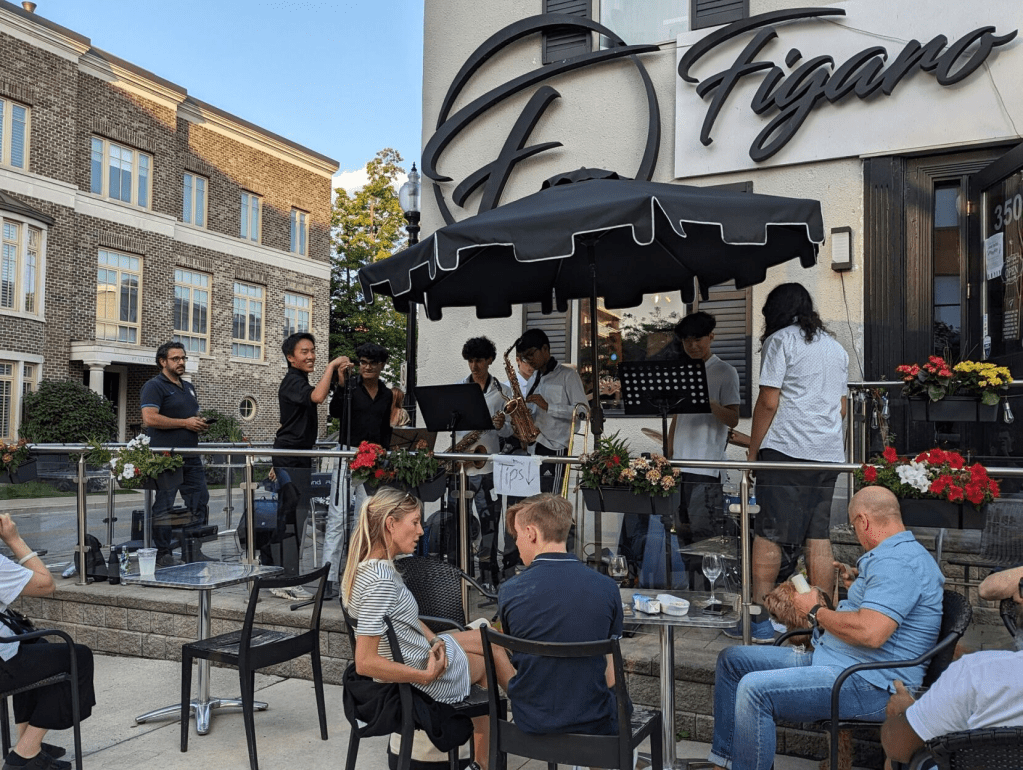
Curation, then, isn’t just about arranging things; it’s about arranging possibilities. The record store offers discovery, the café offers time, the bookstore offers sanctuary, and the comic shop offers imagination. Together they form a blueprint for a community that sustains itself by attention and generosity.
That’s the spirit and aspirational goal behind The Analogue Press. A place shaped not by algorithms but by people; not by inventory, but by invitation. A place where the shelves and stories breathe. Where what you take is knowledge, comfort, and connection; and what you give is presence.
As The Analogue Press continues to take shape, these places remain some of its compass points – reminders that culture is not a product but a practice. Each record spun, book shared, or conversation over coffee adds to the slow choreography of human exchange. The goal isn’t to replicate Shakespeare and Company or PCV Records or that perfect corner café, but to honour what they teach us: that meaning lives in the spaces between us, and that the analogue world still has room to grow, hum, and hold.
- Halverson, Krista (2016). Shakespeare and Company, Paris: A History of the Rag & Bone Shop of the Heart. Shakespeare and Company Paris. ISBN 979-10-96101-00-9. ↩︎
- https://www.shakespeareandcompany.com/history ↩︎
 The Analogue Press
Leave a comment